Why Do Dogs Wag Their Tails? It’s Not Always What You Think
Is a Tail Wag Friendly...
We’ve all seen it — that moment when your dog’s tail starts to sway at the sight of their lead or a familiar face. Most people take it as a universal sign of happiness. But the truth is, tail wagging is a complex form of communication that goes far beyond “I’m happy.”
Understanding the language of the wag helps you get a clearer picture of how your dog is feeling in any given moment — whether you’re relaxing at home, socialising at your local café, or discovering a new dog-friendly park together.
At WagFriendly — Europe’s go-to platform for finding dog-friendly places to eat, sleep, and play — we’re all about helping you and your dog have better experiences together. And knowing what your dog’s tail is really saying is part of that.
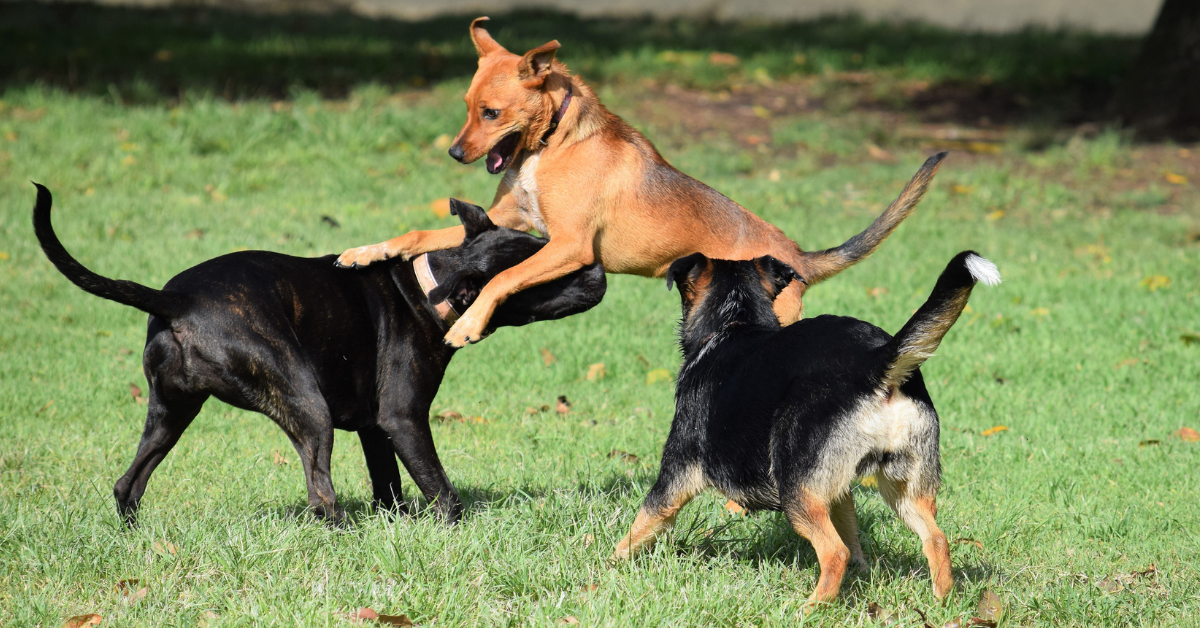
It’s Not Always a Good Sign
A wagging tail can mean excitement, nervousness, submission, uncertainty, or even a warning. It all depends on the position, speed, and direction of the wag.
Learning to read these signals helps you respond more intuitively to your dog’s needs — and gives them the reassurance they crave.
Tail Position and What It Tells You
High and stiff
Often misunderstood as confidence, but can signal high alertness or even agitation. Some dogs carry their tails high naturally, but if the wag is tight or twitchy, take note.
Low and slow
Indicates uncertainty or submission. This doesn’t necessarily mean fear, but it does mean your dog is unsure of the situation.
Neutral and loose
Usually a sign of contentment. If the wag is relaxed and flowing, your dog is probably feeling comfortable and at ease.
Tucked under
A classic sign of fear or discomfort. This is your dog’s way of making themselves smaller — a signal they’d like some space or support.
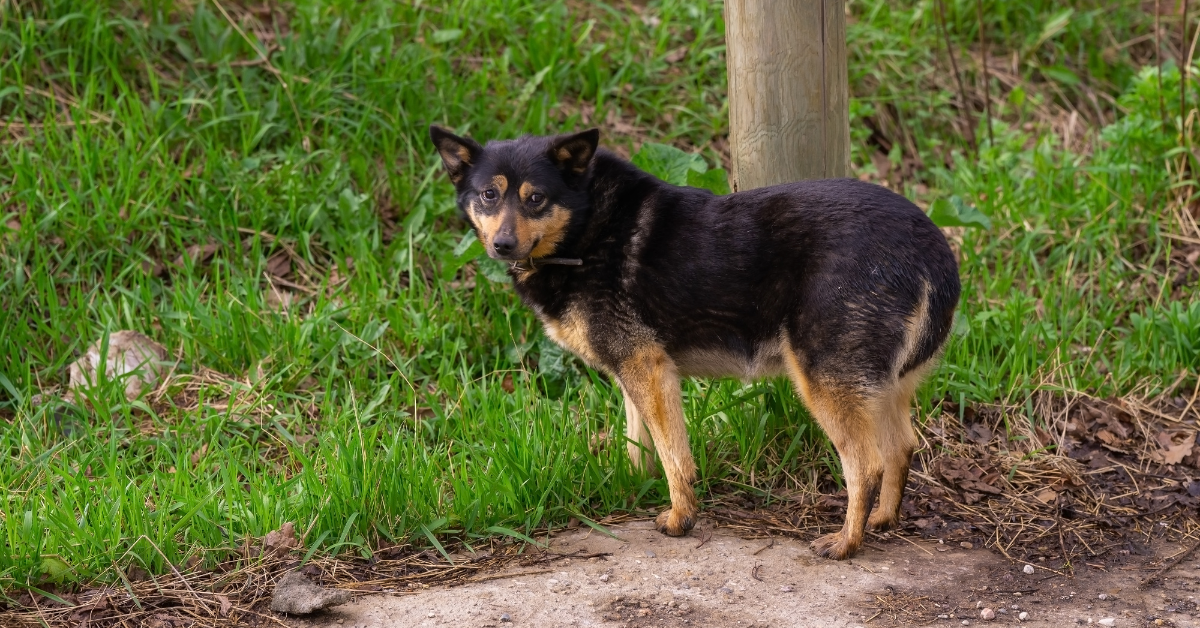
Left vs Right Wagging
Dogs actually wag more to the right when experiencing positive emotions and more to the left when feeling unsure or threatened. It’s subtle — most of us won’t notice it without really paying attention — but it’s there.
If your dog wags slightly to the left when meeting someone new or entering a busy setting, it might be worth giving them a moment to adjust rather than diving straight in.
Tail Type Changes the Game
Not all dogs communicate with their tails the same way. Some breeds have curly tails (like Basenjis or Pugs) that don’t wag in the traditional way. Others have short or docked tails, which makes it harder for both humans and other dogs to read their intentions.
If your dog falls into one of these categories, it’s important to watch other parts of their body language too — ears, eyes, posture, and pacing can all help fill in the blanks.
Why This Matters for Everyday Life
Understanding tail language isn’t just for avoiding problems — it can actually help you enjoy more meaningful time with your dog. When you start noticing the subtle shifts in their behaviour, you become a more attuned, responsive owner. You’ll know when they’re open to play, when they need a breather, and when they’re in their element.
This awareness makes all the difference when you’re choosing where to go and what to do with your dog — and that’s where WagFriendly comes in.
Whether you’re searching Wag Friendly to find new local dog-friendly spots or looking for hidden gems on the road, our goal is to help you and your dog make the most of your time together.
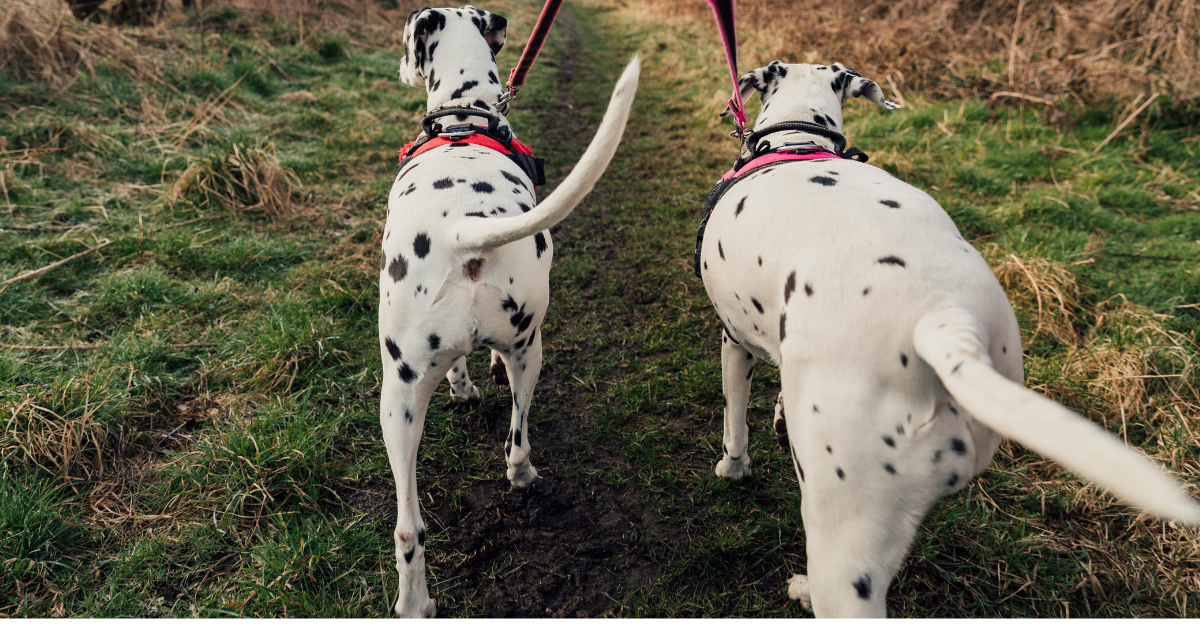
We Help You Tailor Your Dog’s Day — Literally
We created WagFriendly to help dog owners explore more of Europe with their dogs — not just by listing dog-friendly hotels and restaurants, but by helping you find places that suit your dog’s personality and preferences.
Maybe your dog loves quiet pubs with a garden, or gets overwhelmed by noisy restaurants. Maybe they relax in nature or thrive on social interaction. When you know how to read their signals — including the tail — you can plan your outings with more confidence, and less stress.
WagFriendly is about more than ticking the “dog allowed” box. It’s about creating shared experiences that are genuinely enjoyable — for both of you.
FAQs: Understanding Tail Wagging
Q: Why does my dog wag their tail when they’re nervous?
Because tail wagging isn’t always about happiness. It’s a sign of arousal — meaning your dog is emotionally activated. That could be excitement, anxiety, curiosity, or stress.
Q: What’s the best way to tell if my dog is truly happy?
Look for a relaxed, neutral tail wag that includes movement in the body — a gentle sway, a soft gaze, maybe even a little bounce in their step.
Q: Do tail signals change as dogs get older?
Yes. Older dogs often become more reserved in how they express themselves, and arthritis or joint issues can make wagging less pronounced. It’s worth tuning into other body language cues too.
Q: Should I worry if another dog is wagging its tail during an introduction?
Not necessarily, but don’t assume it means friendliness. Observe the whole body — stiff posture or locked eyes alongside a high, tight wag could mean trouble.
Q: How does this relate to using WagFriendly?
Knowing how your dog expresses comfort or stress helps you choose better environments — and that’s exactly why WagFriendly exists. Whether you’re planning a short day trip or a longer escape, WagFriendly helps you filter and discover places that truly suit your dog’s needs. From quiet cafés to scenic nature spots, we help you explore with confidence.
Join the pack on www.wagfriendly.app to find dog-approved destinations. Whether you type “WagFriendly”, “Wag Friendly”, or “dog-friendly travel Europe” into your search bar, we’re here to guide your next adventure!